

DEP Reminds Public to Take Precautions when Burning Wood in Cold Weather to Help Protect Air Quality and Prevent Fires
Hits: 3477
(19/P105) TRENTON – With colder weather upon us, residents are reminded to practice safety and help reduce the impacts burning of wood on air quality in their homes and neighborhoods, Department of Environmental Protection Commissioner Catherine R. McCabe announced today.
“Wood burning in fireplaces, wood stoves, or outdoor wood boilers can help reduce energy costs, but it also emits small particles and other air pollutants,” Commissioner McCabe said. “Common-sense steps, however, can significantly reduce these effects and safeguard public health.”
Short-term exposure to wood smoke can aggravate lung or heart conditions for some people. Children, teenagers, older adults and people with lung diseases such as asthma and Chronic Obstructive Pulmonary Disease, or heart conditions are most susceptible to the effects of wood smoke.
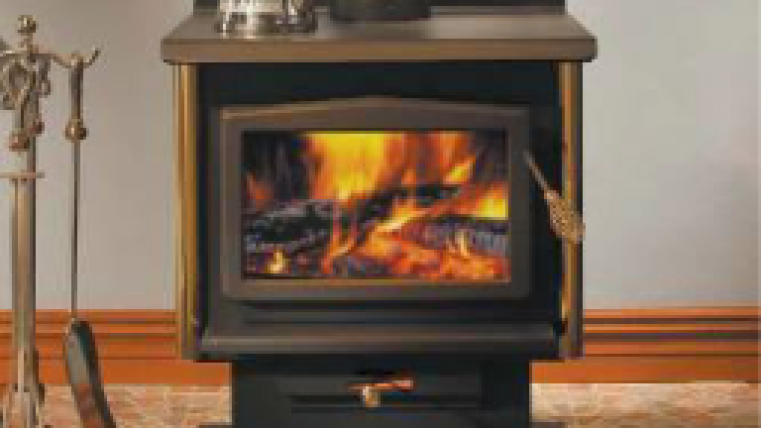
Residents planning to burn wood as a major way to heat their home this winter may consider upgrading to a U.S. Environmental Protection Agency-certified wood stove or fireplace insert. The newer equipment will reduce air pollution and is much more energy efficient.
The DEP recommends the following guidelines for burning wood at home:
Allow wood to season before burning it. Seasoning means allowing the wood to sit outdoors for at least six months. Seasoning allows moisture to evaporate from the wood, making it burn more efficiently. Seasoned wood is darker, has cracks in the end grain and sounds hollow when smacked against another piece of wood.
Use a wood moisture meter to test the moisture content of wood. Wood burns most efficiently when its moisture content is below 20 percent.
Stack wood neatly off the ground with the top covered to protect wood from rain and snow. Store wood to be used in the house a safe distance from fireplaces or stoves.
Start fires with newspaper and dry kindling and keep them burning hot.
EPA Wood Stack for Burning StoveRegularly remove ashes to ensure proper airflow.
Never burn garbage, cardboard, plastics, wrapping materials, painted materials or pressure-treated wood in your stove or fireplace.
Use locally cut firewood to decrease the risk of transporting invasive forest pests to your property. For more details, visit www.dontmovefirewood.org.
If you use manufactured logs, choose those made from 100 percent compressed sawdust. Check your wood stove or fireplace insert operating instructions before using artificial logs -- many wax and sawdust logs are made for open hearth fireplaces only.
Keep anything flammable – including drapes, furniture, newspapers and books – far from any wood-burning appliance. Keep nearby an accessible and recently inspected fire extinguisher.
Have chimneys cleaned annually by a certified chimney-sweep. Nearly seven percent of homes fires are caused by the buildup of creosote in the chimney. These fires can spread extremely fast and are often signaled by flames leaping from the chimney or a low rumbling sound reminiscent of a freight train or airplane.
Keep the doors of your wood-burning appliance closed unless loading or stoking the live fire. Harmful chemicals such as carbon monoxide can be released into your home.
Consider using an indoor air HEPA filter in the same room as a stove or fireplace. These filters can reduce indoor particle pollution by as much as 60 percent.
Keep a fire extinguisher handy.
Before lighting a fire, check your local air quality forecast at www.njaqinow.net/.
Residents should also be aware that state regulations and some municipal ordinances prohibit the emission of visible smoke from outdoor wood boilers.
Wood boilers heat a fluid that is circulated in homes and buildings for heating purposes. Under state regulations, these boilers may only emit visible smoke for three minutes every 30 minutes to allow for startup.
For more information on wood burning in New Jersey, visit www.nj.gov/dep/baqp/woodburning.html.
For more on the EPA’s Burnwise program, visit www.epa.gov/burnwise/.
Follow the DEP on Twitter @NewJerseyDEP.

Our Location
100 Port Murray Road
Port Murray, NJ 07865